
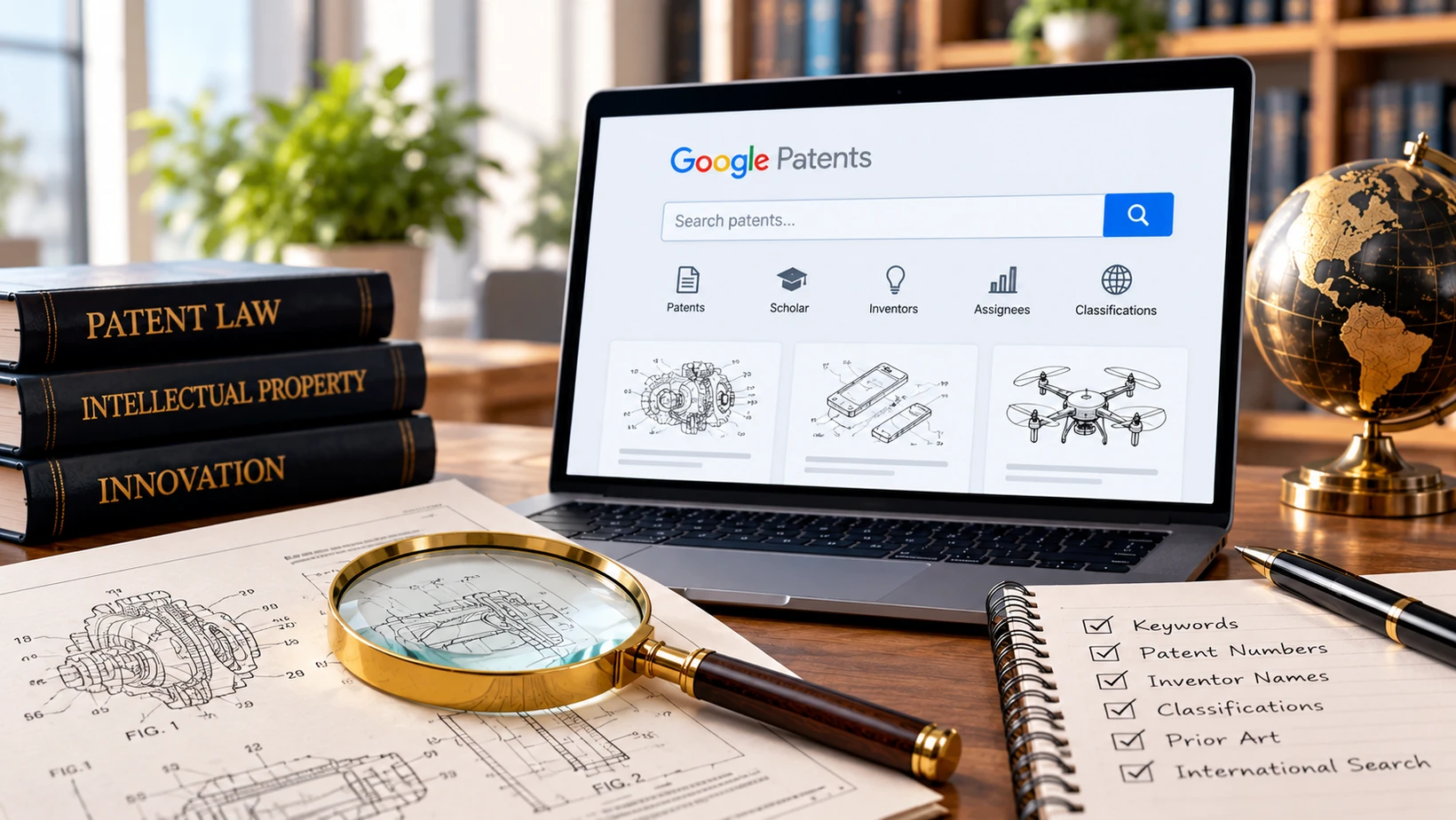
How Do I Search Patents? A Guide to Finding Existing Inventions
Before investing time and money in a new invention, it is important to determine whether similar technology or ideas have already been patented. A patent search can help inventors, entrepreneurs, and businesses identify existing inventions, evaluate potential opportunities, and make more informed decisions about pursuing patent protection.
Understanding how to search patents can be a valuable first step toward protecting your intellectual property and reducing avoidable risk
What Is a Patent Search?
A patent search involves examining existing patents and published patent applications to identify inventions that may be similar to your own. The search can uncover relevant technical features, previously disclosed ideas, and related inventions in your field.
Patent searches are commonly performed to evaluate whether an invention may qualify for a patent, investigate existing technology, and understand the competitive landscape. However, finding no similar patent does not guarantee that your invention is patentable. A thorough evaluation may also require reviewing technical publications and other publicly available information.
What Is the Best Way to Search for Patents?
The best approach is to combine keyword searches, technical classifications, and reviews of relevant patent documents. Searching only for the name of your invention may overlook patents that describe similar technology using different terminology.
Start by identifying the essential features of your invention. Consider alternative names, technical terms, components, functions, and the problem your invention solves.
For a preliminary search, several online resources can help:
- USPTO Patent Public Search: Search U.S. patents and published patent applications through the official United States Patent and Trademark Office database.
- Google Patents: Explore patent documents from multiple countries using keywords, inventors, classifications, and publication details.
- WIPO PATENTSCOPE: Search international patent applications and other patent documents.
- Espacenet: Explore patent information from patent offices worldwide.
These resources can help you discover relevant documents before deciding whether a professional search is necessary.
How Can I Search for a Patent?
You can begin searching for patents online by following a structured process.
Describe your invention: Write down its main functions, technical components, and distinctive features.
Identify alternative keywords: List synonyms and technical expressions that could appear in patent documents.
Search official databases: Enter different keyword combinations in the USPTO Patent Public Search tool or Google Patents.
Review similar inventions: Examine patent titles, abstracts, drawings, descriptions, and claims to understand how each invention works.
Explore related documents: Review references cited in relevant patents and look for related applications or patent families.
Check international records: If global protection matters, expand your search to international databases.
Document your findings: Save relevant publication numbers, filing dates, inventors, and links for further review.
A systematic approach can improve the quality of your preliminary search. For more complex inventions, a patent professional may use classification codes and specialized search techniques to identify additional relevant documents.
How Much Does a Patent Search Cost?
The cost depends on the complexity of your invention, the scope of the search, the databases covered, and whether you need a professional analysis.
A preliminary search using public online databases is generally free. A professional patent search may cost several hundred to several thousand dollars, depending on the technical field and depth of research. As a general budgeting guide, some U.S.-focused search services fall around $500–$1,500, while complex searches can cost more.
An attorney’s patentability review may involve additional fees, particularly when a written legal opinion is requested. These service costs are separate from patent application filing, examination, and other USPTO fees.
Before hiring a professional, ask what the search covers, whether international records are included, and whether the final report contains an analysis of relevant patent claims.
Why Should You Consider a Professional Patent Search?
Free databases are useful starting points, but interpreting patent documents can be challenging. Similar inventions may use unfamiliar terminology, and important differences can appear in technical details or individual patent claims.
A professional search can help identify relevant prior art and organize findings for further evaluation. It may also help you understand potential obstacles before committing substantial resources to patent preparation.
Importantly, a patentability search and a freedom-to-operate analysis serve different purposes. A patentability search evaluates whether an invention may qualify for a patent, while a freedom-to-operate analysis examines potential risks associated with making, using, or selling a product under applicable patent rights.
Get Guidance on Your Patent Search
Searching patents is an important step in the invention process, but the results must be interpreted carefully. Whether you are developing a new product, exploring an invention’s commercial potential, or preparing to pursue patent protection, understanding existing patent records can help you make informed decisions.
Edison Law Group can help you explore the legal considerations involved in patent searches and intellectual property protection. Contact the firm to discuss your invention, understand your options, and determine the appropriate next steps for your circumstances.