
BMW Patent Reveals Branded Screw Design That Limits Access to Vehicle Repairs
BMW has never shied away from unconventional engineering or bold design decisions, but a newly surfaced BMW patent suggests the automaker may be extending that philosophy to one of the most basic components in a car: the screw. A recent filing reveals a proprietary fastener shaped like BMW’s iconic roundel, a design that could significantly limit who is able to work on certain parts of future BMW vehicles.
A BMW Screw Head Inspired by the BMW Roundel
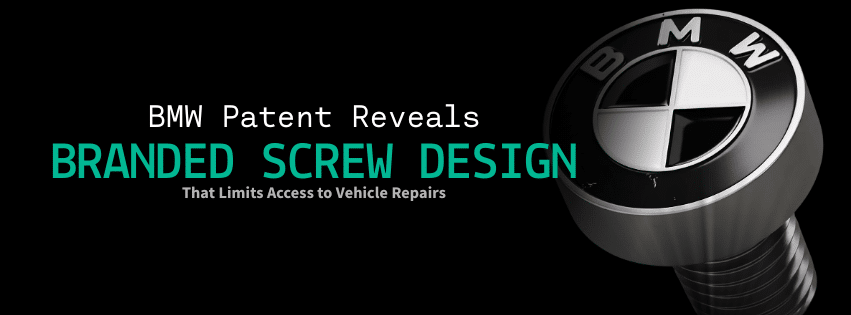
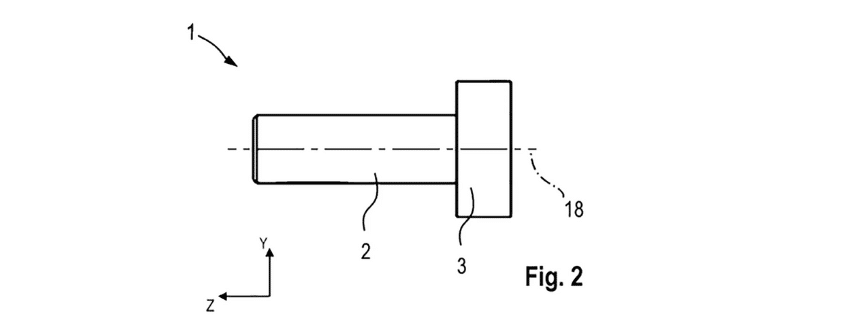
According to the patent filed with the German Patent and Trade Mark Office, BMW has developed a screw whose drive structure mirrors the brand’s circular logo. Instead of common formats like Torx, hex, or Phillips, the fastener features a round head divided into four quadrants—echoing the layout of the BMW emblem. Two of those quadrants are recessed to accept a matching tool, while the remaining sections stay flush, preventing standard tools from gripping the screw.
To reinforce the branding, the BMW logo is embossed around the outer edge of the screw head. Visually, it’s unmistakably a BMW. Functionally, it’s proprietary by design.
Why BMW Says the Design Is Necessary?

In the patent documentation, BMW explains that conventional screw heads are widely accessible and easily manipulated with commonly available tools. From the company’s perspective, that accessibility allows “unauthorized persons” to loosen or tighten screws in sensitive areas of the vehicle. The new design, BMW argues, would restrict access by requiring a specialized tool that only works with the logo-shaped drive structure.
The stated goal is not convenience, but control. By limiting compatibility with standard tools, BMW aims to make unauthorized removal or tampering more difficult.
Where These BMW Patent Screws Could Be Used?
What has raised the most concern is not just the design itself, but where BMW suggests these screws could be installed. The patent lists structural and semi-structural applications, including seat mountings, center consoles, cockpit assemblies, and interior-to-body connections. These are critical areas that already require precise torque and proper procedures.
BMW also notes that some of these fasteners could be located in visible areas of the cabin, making both the branding and the restricted access immediately apparent to vehicle owners.
Implications for Owners and Independent Repair Shops
While the patent does not explicitly define who qualifies as an “unauthorized person,” critics have been quick to speculate. Many see the design as another barrier between car owners and independent mechanics. Without access to BMW-specific tools, routine tasks—such as removing a seat—could become dealer-only jobs.
Media outlets like AutoBlog have argued that designs like this further widen the gap between modern vehicles and hands-on ownership. DIY repairs become more difficult, and independent workshops may be forced to invest in specialized equipment or turn customers away altogether.
That said, it’s also true that independent collision and repair facilities routinely purchase manufacturer-specific tools as vehicles become more advanced. Proprietary hardware is not new—but critics argue this patent pushes that trend even further.
Aesthetic Appeal vs. Repair Accessibility
Even some skeptics admit the design has aesthetic merit. The fastener is distinctive, brand-focused, and visually refined—qualities BMW is known for. AutoBlog itself described the concept as “quite cool” from a design standpoint, noting that it aligns with a company willing to spend millions on custom paint programs and fine details.
However, good looks don’t offset concerns about accessibility. As other automakers, such as Mercedes-Benz, publicly explore ways to make vehicles easier to repair, BMW’s approach appears to move in the opposite direction.
BMW Patent Today, Production Tomorrow?

For now, this logo-shaped screw exists only on paper. Automakers file countless patents that never reach production, and there’s no guarantee this design will appear in future BMW models. Still, the filing highlights a broader industry shift toward increased manufacturer control over vehicle service and maintenance.
If adopted, the design would further distance owners from basic mechanical access, reinforcing a growing divide between modern cars and the people who drive them. Whether this screw becomes reality or not, it has already sparked an important conversation about ownership, repair rights, and how far branding should extend under the hood—and inside the cabin.