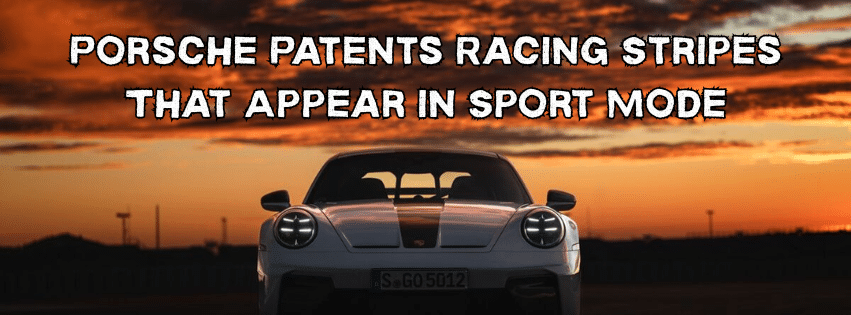
Porsche Patents Racing Stripes That Appear in Sport Mode
When it comes to blending performance, design, and a bit of showmanship, Porsche has rarely held back. Its latest Porsche patents filing, however, takes that philosophy to a new level—introducing the idea of racing stripes that can appear or disappear depending on how you drive. Yes, the age-old belief that stripes make a car look faster might finally have some high-tech backing.
Stripes On Demand: What Porsche Patents Is Proposing
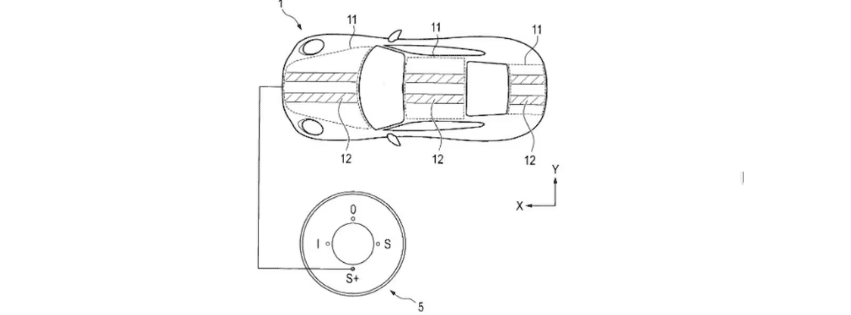
At the center of the patent is what Porsche describes as a “controllable outer coating.” In simpler terms, it’s a dynamic exterior surface that can change its appearance based on inputs like drive mode or user preferences.
The most eye-catching example? Racing stripes that automatically appear when the driver switches into Sport or Sport Plus mode. In normal driving conditions, the car maintains a clean, understated look. But the moment performance mode is engaged, bold stripes materialize across the body—instantly transforming the car’s personality. It’s not just about aesthetics either. Porsche’s concept is designed to visually communicate the car’s status to the outside world, essentially turning the vehicle’s exterior into a functional display.
How the Porsche Patents Technology Works
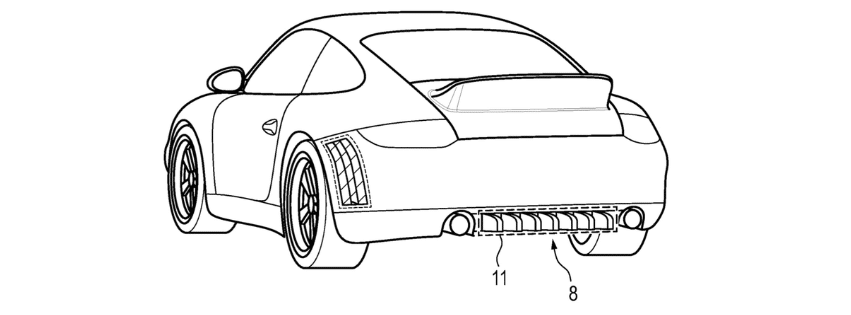
The idea isn’t entirely science fiction. Porsche’s patent builds on existing technologies like electrochromic glass—already used in panoramic roofs to adjust tint with the push of a button. Instead of glass, Porsche proposes applying a thin film or coating to body panels. This film, often described as “electronic paper” or paramagnetic material, reacts to electrical voltage. When activated, microscopic particles within the coating shift position, changing how light is reflected and ultimately altering the car’s color or pattern.
It’s similar in spirit to the color-changing concepts demonstrated by BMW, which has showcased E Ink technology capable of transforming an entire vehicle’s exterior. Porsche’s approach, however, appears more targeted—focusing on accents like stripes, spoilers, and aerodynamic elements rather than full-body color changes.
More Than Just a Visual Flex
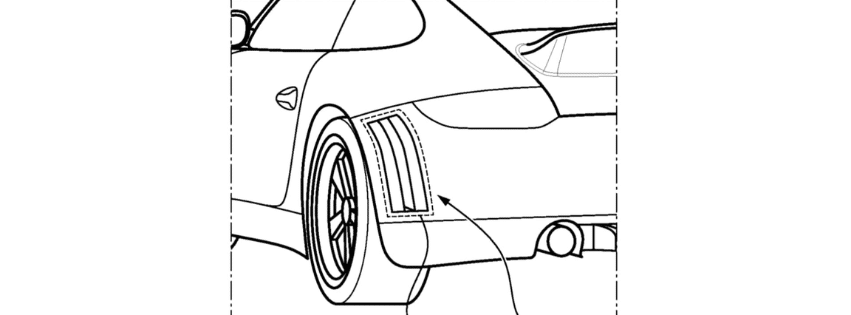
While it’s easy to dismiss this as a flashy gimmick, Porsche actually outlines several practical applications for the technology. For electric vehicles, the dynamic coating could act as a large, external battery indicator. Instead of checking an app or dashboard, drivers could simply glance at the car and see its charge level represented through color changes on the body.
There are also potential safety benefits. The car could display warnings or change colors in the event of a breakdown or accident, making it more visible to other drivers. Even maintenance alerts could be communicated externally—for example, a specific wheel arch changing color to indicate low tire pressure.
In motorsports, the implications are equally interesting. Race cars could switch liveries depending on the event or display real-time data for spectators and pit crews, improving visibility and communication during competition.
Porsche Patents Customization Taken to the Next Level
Porsche has long been known for its extensive customization options, particularly through its Paint-to-Sample program, which offers hundreds of color choices. But this patent suggests a future where customization is no longer permanent. Instead of committing to one look, owners could switch between multiple styles at the push of a button. A sleek, minimalist daily driver could become a track-ready head-turner in seconds.
Of course, that flexibility also opens the door to a bit of “automotive peacocking.” Much like active spoilers or loud sport exhausts, dynamic racing stripes could become another way for drivers to showcase performance—even when sitting still in a parking lot.
The Reality of Automotive Patents
As exciting as this concept sounds, it’s worth remembering that not every patent makes it to production. Automakers frequently file patents to protect ideas, many of which never see the light of day. For example, Tesla has patented a laser system designed to clean debris off windshields, while Ford has explored concepts like vehicles that could repossess themselves. These ideas demonstrate innovation—but not necessarily intent.
There are also practical challenges to consider. Durability, repair costs, and long-term exposure to elements like UV rays could all complicate the implementation of a dynamic exterior coating. There’s even the question of misuse, as rapidly changing a vehicle’s appearance could raise concerns in areas like law enforcement and identification.
A Glimpse Into the Future of Porsche Patents
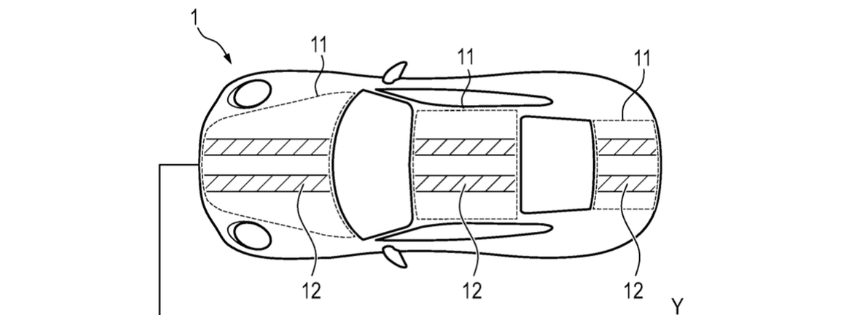
Whether or not Porsche’s disappearing racing stripes ever reach production, the concept highlights a broader shift in the automotive industry. Cars are becoming more interactive, more expressive, and increasingly capable of communicating information beyond the cabin.
If this technology does make it to market, it could redefine how we think about car design—not as something fixed, but as something fluid and responsive. And if nothing else, it finally gives drivers a way to prove what they’ve always believed: sometimes, stripes really do make a car feel faster.