
Meta AI Wearable Patent Raises Questions About Emotion Tracking
Emotion Tracking, Medication Monitoring & Meta Ai Privacy Concerns Explained
Meta Ai has filed a new patent describing a wearable device that could continuously monitor a user’s voice, surroundings, and daily habits to estimate their emotional state with the help of artificial intelligence. While the patent presents the technology as a way to personalize fitness coaching and wellness recommendations, it has also sparked debate about digital privacy and how much personal data future AI-powered devices may collect.
How the Proposed AI Wearable Would Work
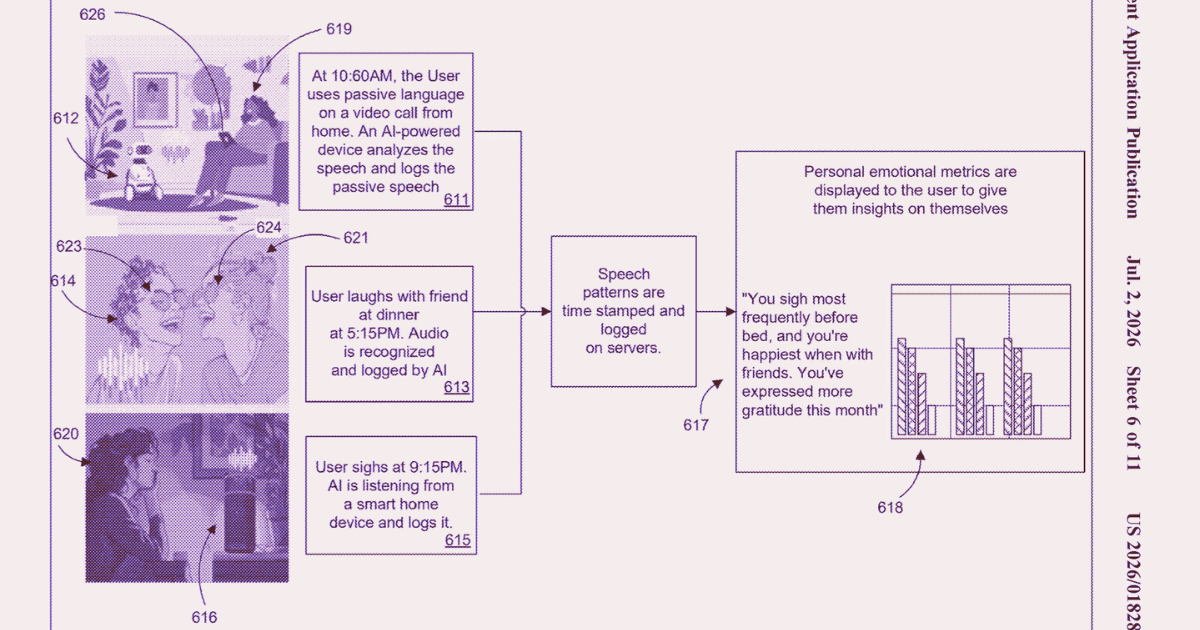
According to the patent, the wearable would use multiple sensors to gather information throughout the day. Instead of relying solely on spoken words, the system would analyze vocal tone, laughter, sighs, and other nonverbal sounds that may indicate changes in mood. It could also factor in contextual information such as the user’s location, time of day, physical activity, and interactions with surrounding objects.
The patent explains that AI models would combine these different sources of information to identify emotional patterns over time. By synchronizing audio and sensor data, the system aims to generate more accurate emotional insights than analyzing a single type of data alone.
One notable example described in the filing suggests the device could recognize emotional changes before and after a user takes medication. By comparing mood trends throughout the day, the AI could identify recurring behavioral patterns that may influence future recommendations.
Information the Device Could Potentially Collect
The patent outlines an extensive range of information that could be used to build a detailed emotional profile of the wearer. Rather than focusing exclusively on speech, the system could evaluate environmental and behavioral signals to improve its predictions.
Potential data sources include:
- Voice recordings and speech patterns
- Tone of voice, laughter, sighs, and other vocal expressions
- Time of day and geographic location
- Physical movement and workout activity
- Objects and surroundings detected by the device
- Medication schedules and wellness routines
- Long-term emotional trends based on collected data
By combining these data points, the AI would attempt to recognize how certain activities, routines, or environments influence a person’s emotional well-being.
Personalized Fitness Is the Stated Goal
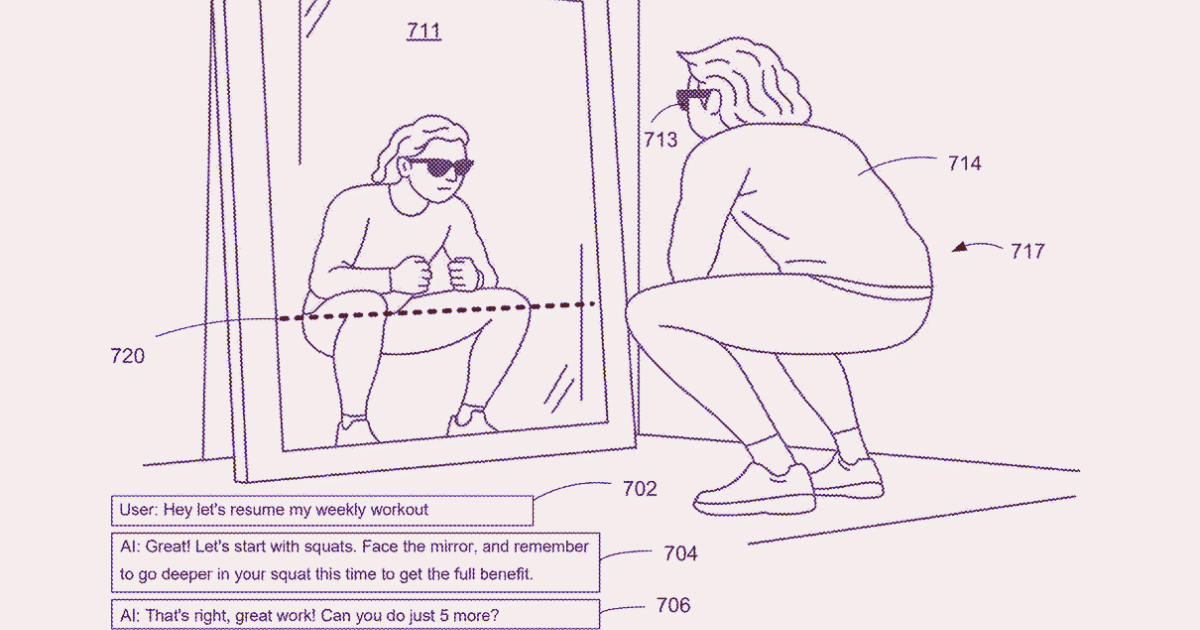
Meta’s patent describes the technology primarily as an advanced fitness assistant. The AI could recommend workout routines, monitor exercise performance, identify incorrect movements, and adjust coaching based on the user’s emotional state.
The filing argues that automated guidance may offer greater precision than traditional personal training by continuously observing posture, movement, and behavioral patterns. If the system detects fatigue, stress, or increased motivation, it could modify exercise recommendations accordingly.
The patent suggests that emotional awareness could make digital fitness coaching more adaptive and personalized than current wearable technology.
Privacy Concerns Surround the Meta Ai Patent
Although the proposed benefits focus on health and exercise, privacy advocates have raised concerns about the amount of personal information such a device would require.
A wearable capable of continuously listening to conversations and monitoring emotional signals would inevitably capture interactions with family members, friends, coworkers, and other individuals nearby. Even if the AI’s purpose is wellness coaching, constant collection of voice recordings and environmental data introduces significant questions about consent, storage, and security.
The patent also references using thousands of object attributes and contextual information to improve emotional analysis, suggesting the AI may rely on a much broader understanding of a user’s daily life than existing fitness trackers.
Critics argue that while personalized recommendations may provide convenience, users may hesitate to exchange continuous emotional monitoring for improved workout suggestions.
Meta Ai Says Patents Don’t Always Become Products
It’s important to remember that a patent does not necessarily indicate a future commercial product. Companies frequently patent ideas to protect research and technological concepts that never reach consumers.
Following publication of the filing, a Meta spokesperson noted that the company regularly files patents covering ideas that may never be developed or released. A granted patent should not be viewed as confirmation that the technology will eventually appear in a consumer device.
Even so, the filing highlights the growing direction of AI-powered wearables and the increasing role emotion recognition may play in future digital assistants. As artificial intelligence becomes more integrated into everyday devices, discussions surrounding convenience, personalization, and personal privacy are likely to become even more important.
Whether or not this particular device is ever released, the patent offers an early glimpse into how future wearable technology could blend emotional analysis with health monitoring—and why many users are paying close attention to the privacy implications that come with it.